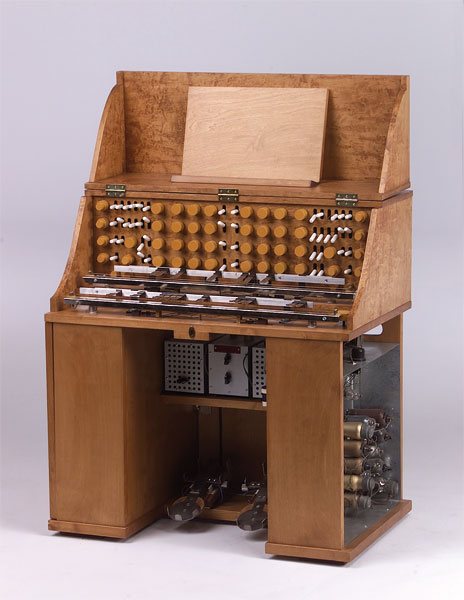
The Trautonium is one of the very first electronic synthesisers. Invented in Berlin around 1929–1930 by German engineer Friedrich Trautwein, then developed by Oskar Sala, this monophonic instrument played a major role in the early days of electronic music and film sound effects.
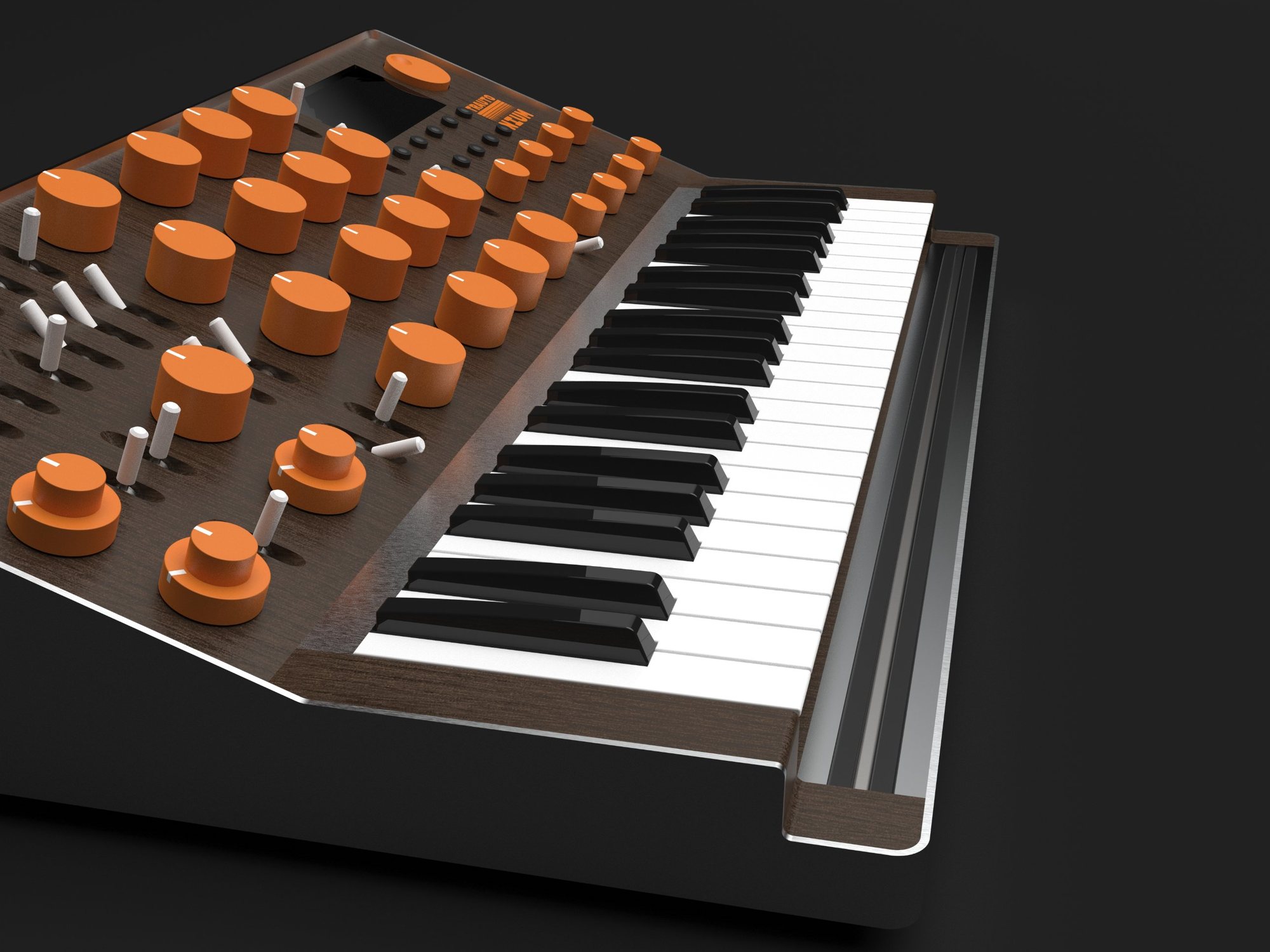
It is famous for its unusual, keyboard-less interface: you play by pressing a wire stretched above a metal rail with your finger. A fascinating approach, but an instrument that is hard to master, often described as limited precisely by its lack of a real keyboard.
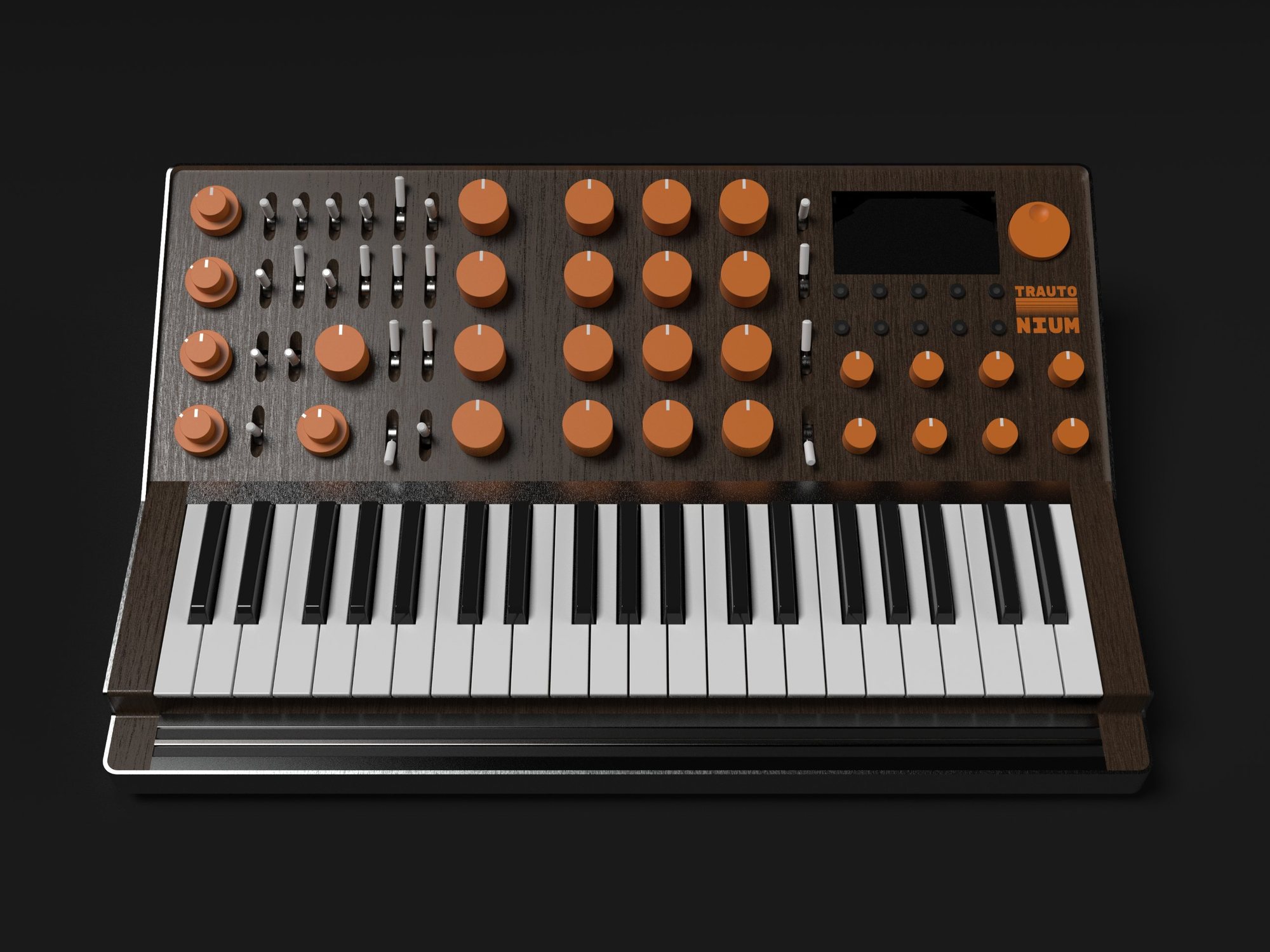
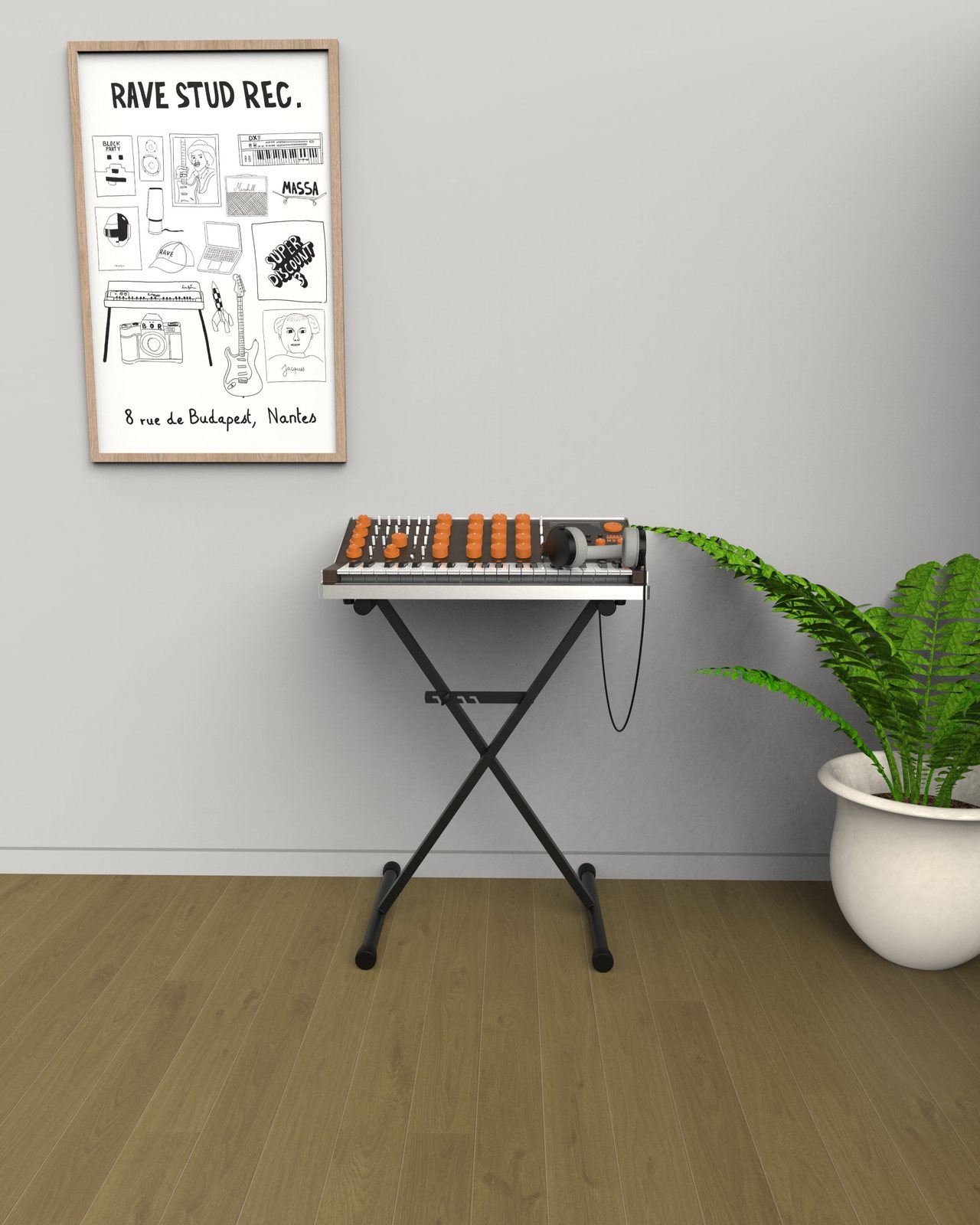
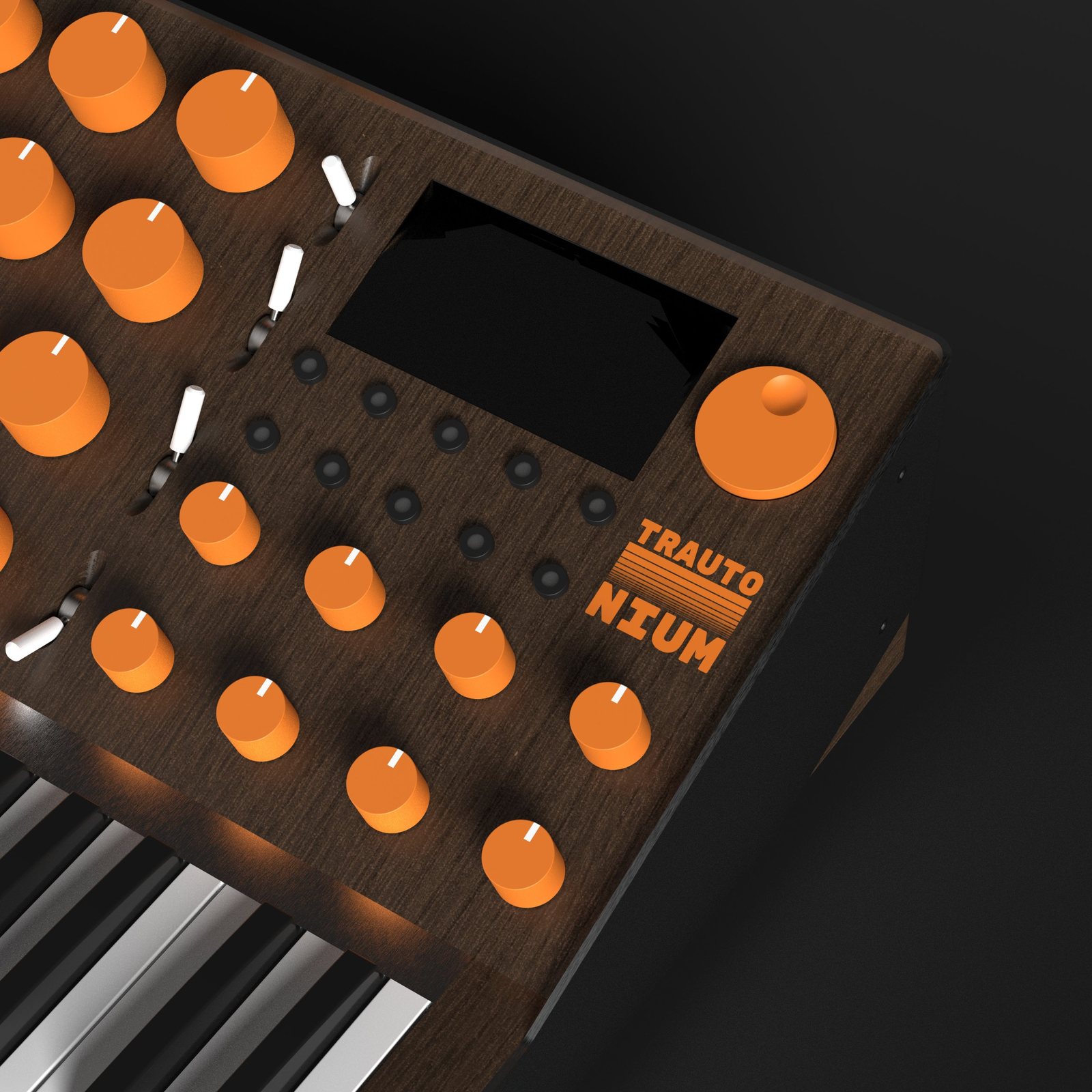
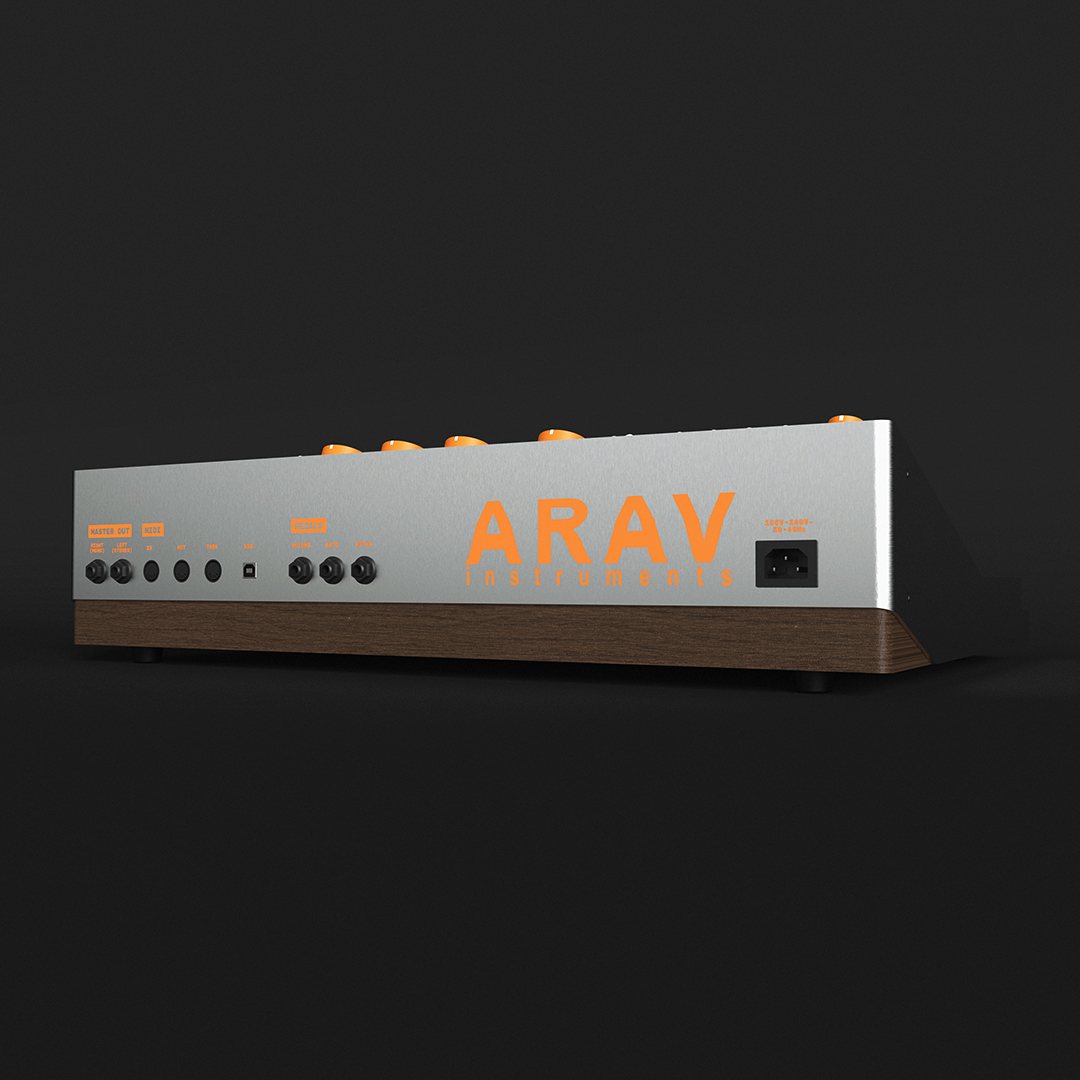
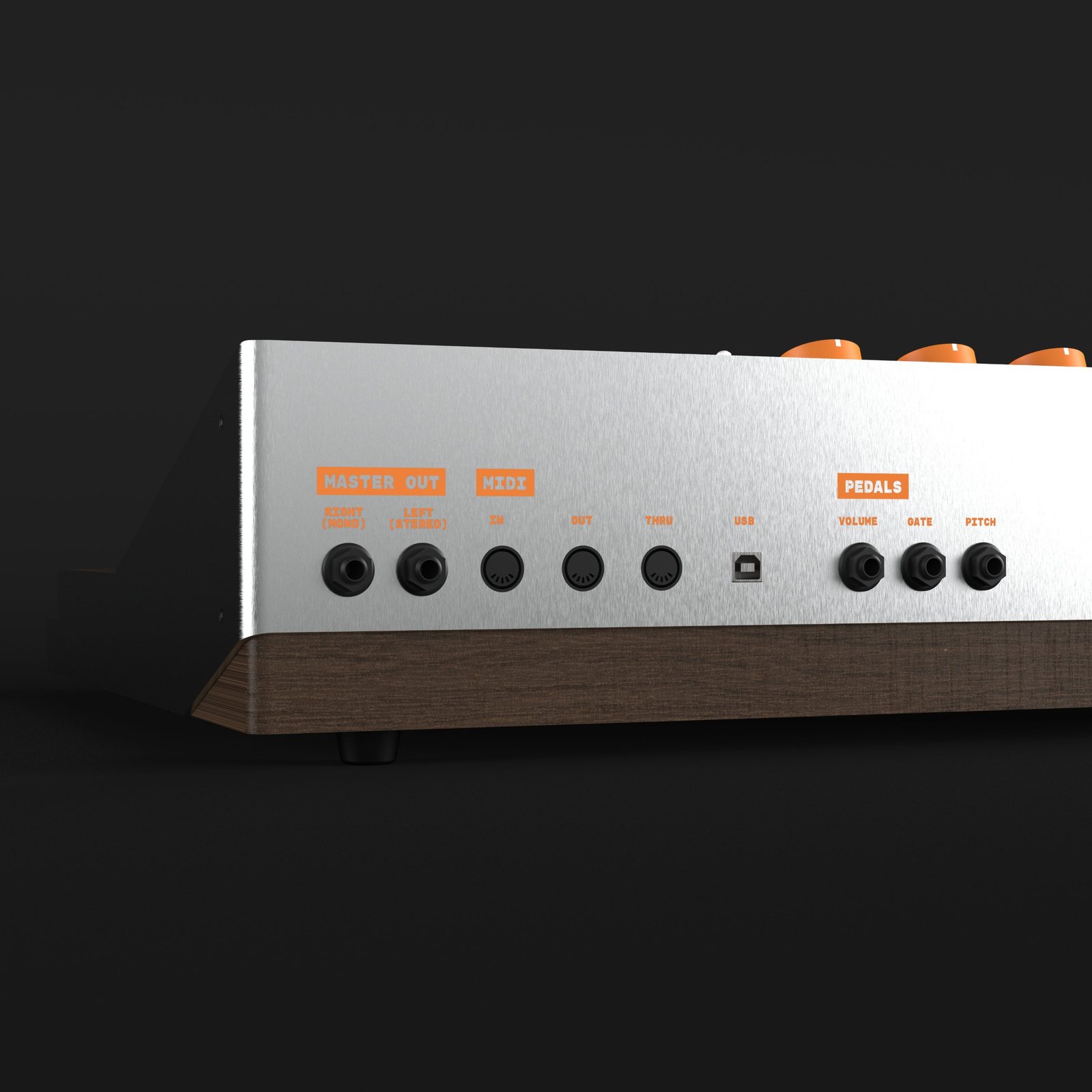
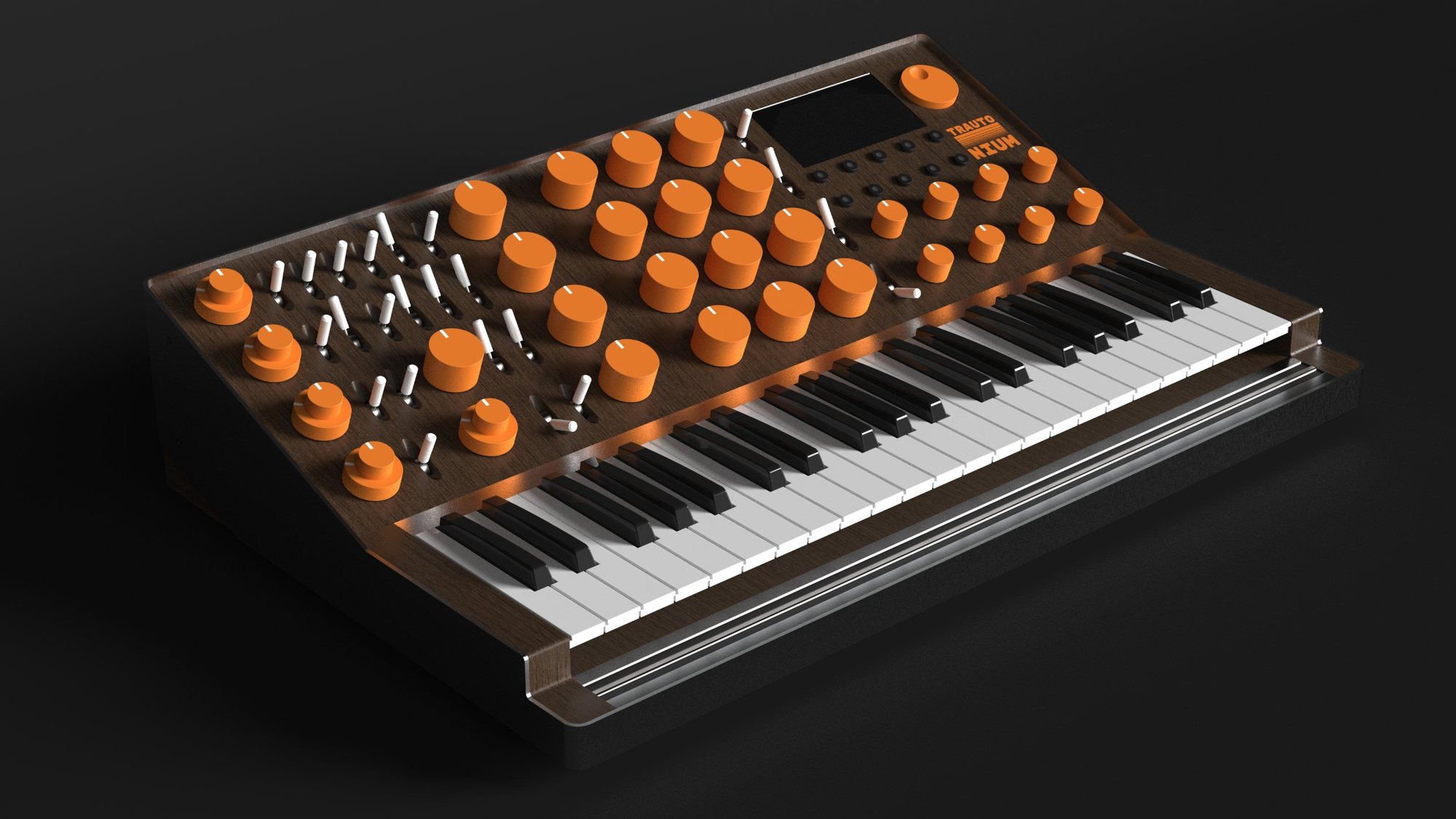
I set out to reinterpret it as a contemporary version: an instrument that would keep its character while being fully usable, like any other synthesiser.